Preventive maintenance is not a luxury or an optional task in facility management—it is an essential practice to ensure long-term operational performance and structural integrity.
Routine maintenance has a direct impact on safety, lifespan, environmental quality, and operational costs by helping avoid major breakdowns and unexpected failures.
A well-maintained facility stays in optimal condition, increases in market value, and remains fully operational at maximum efficiency.
Why Preventive Maintenance Matters
Preventive maintenance plays a critical role in maintaining facility efficiency. Its key benefits include:
-
Extending Building Lifespan: Reduces natural wear on structures and vital systems.
-
Ensuring User Safety: By regularly inspecting systems such as fire alarms, electrical, and ventilation.
-
Improving Operational Performance: Detects minor issues before they escalate and affect overall operations.
-
Reducing Long-Term Costs: Preventive maintenance is far less expensive than emergency repairs or full system replacements.
-
Supporting Energy Sustainability: Maintains optimal performance of HVAC, lighting, and renewable systems.
-
Enhancing Investment Value: Well-maintained properties retain higher market value over time.
What Preventive Maintenance Includes
Facility preventive maintenance involves a wide range of critical tasks, such as:
-
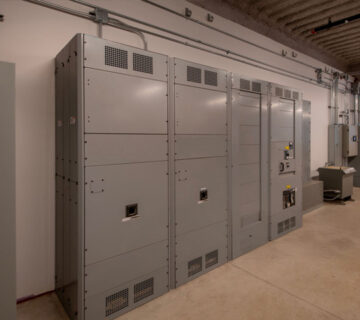
Electrical System Inspections: Wiring, panels, lighting, and backup power systems.
-
HVAC and Ventilation Checks: Filter cleaning, compressor inspection, and performance optimization.
-
Fire Safety Systems: Ensuring readiness of sprinklers, smoke detectors, and alarms.
-
Elevator & Escalator Maintenance: Inspecting electrical and hydraulic systems for safe operation.
-
Infrastructure Review: Plumbing checks, leak repairs, and waterproofing maintenance.
-
Architectural and Structural Maintenance: Crack repairs, repainting, and reinforcement where needed.
Consequences of Neglecting Maintenance
Ignoring preventive maintenance can lead to:
-
Rapid infrastructure deterioration
-
Higher repair costs
-
Increased safety risks and incidents
-
Shortened lifespan of critical systems
-
Loss of user or tenant trust in the facility
The Role of Preventive Maintenance Programs
One of the best practices in modern facility management is implementing Preventive Maintenance Programs.
These programs follow scheduled inspections and servicing of key systems and rely on smart maintenance software that:
-
Sends timely alerts to the maintenance team
-
Tracks inspection reports
-
Improves efficiency and reduces operating costs in the long term
Conclusion
Preventive maintenance is not an added burden—it’s a smart investment that protects facility assets, enhances user safety, and increases property value.
Facilities maintained regularly are safer, more efficient, and more sustainable, ensuring reliable performance and comfort for years to come.